


Nanotechnology has moved from the pages of science fiction into the laboratories and industries of today, promising a future where machines smaller than a human cell can perform tasks once thought impossible. Central to this revolution are nanobots—microscopic robots engineered to manipulate matter at the molecular and atomic levels. These tiny engineers hold the potential to transform medicine, manufacturing, environmental management, and countless other fields. Understanding how nanobots work, their current applications, and the challenges facing their deployment is crucial for anyone interested in the next wave of technological innovation.
The Science of Nanobots
Defining the Nanoscale
Nanobots operate at scales ranging from 1 to 100 nanometers, roughly 100,000 times smaller than the diameter of a human hair. At this size, materials exhibit unique physical, chemical, and biological properties:
- Surface-to-Volume Ratio: Nanomaterials have a high surface area relative to volume, enhancing chemical reactivity and enabling precise interactions.
- Quantum Effects: At the nanoscale, quantum phenomena influence conductivity, magnetism, and optical behavior, allowing for novel device functionalities.
- Biocompatibility: Nanoscale devices can interact directly with biological molecules, enabling applications in medicine that were previously unattainable.
Components of a Nanobot
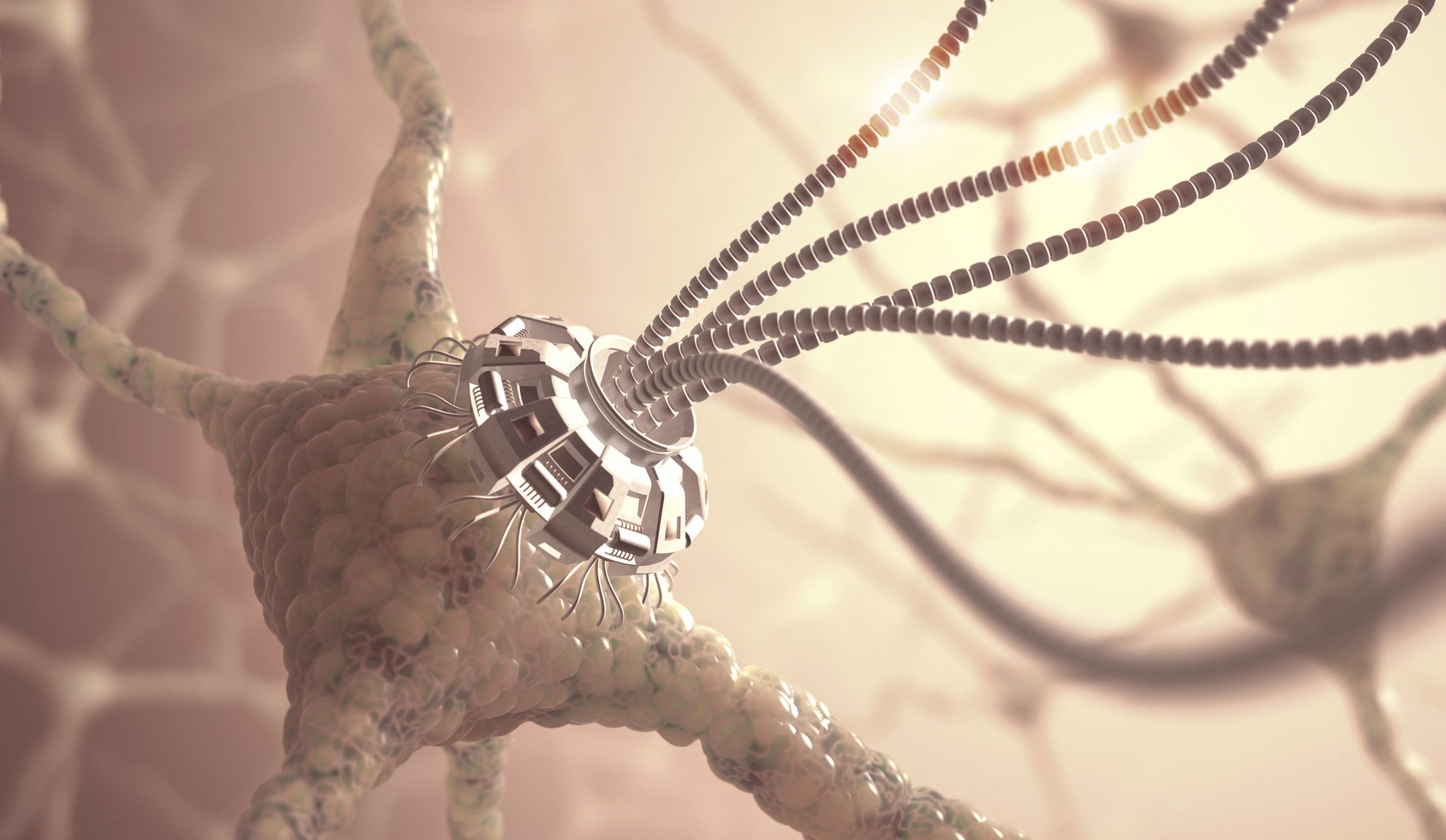
Nanobots typically include the following:
- Sensors: Detect chemical, mechanical, or environmental changes at the molecular level.
- Actuators: Enable motion or mechanical action, often driven by chemical reactions, magnetic fields, or light.
- Control Systems: Coordinate behavior, which may be programmed externally or achieved via autonomous decision-making mechanisms.
- Power Sources: Include chemical reactions, ambient energy harvesting, or biological fuels such as glucose.
The convergence of these components allows nanobots to operate autonomously or in coordination with larger systems.
Medical Applications: Precision at the Cellular Level
Targeted Drug Delivery
One of the most promising applications is in medicine:
- Precision Therapy: Nanobots can deliver drugs directly to diseased cells, minimizing side effects and enhancing efficacy. For example, chemotherapy can be localized to cancer cells, sparing healthy tissue.
- Controlled Release: Drug molecules can be released in response to specific biological signals, ensuring timed and targeted treatment.
- Reduced Dosage: Efficient targeting reduces the total amount of drug required, lowering costs and toxicity.
Diagnostics and Surgery
Nanobots are also reshaping diagnostics and minimally invasive procedures:
- Real-Time Monitoring: Nanobots equipped with sensors can detect biomarkers in blood or tissue, offering early disease detection.
- Precision Surgery: In the future, nanobots could perform microscale repairs, such as clearing arterial blockages or repairing damaged neurons.
- Pathogen Elimination: Nanobots may neutralize viruses or bacteria directly within the body, complementing traditional immune responses.
- The integration of nanobots in healthcare promises a shift toward personalized, highly targeted, and less invasive treatments.
Environmental and Industrial Applications
Pollution Control and Remediation
Nanobots can address environmental challenges in novel ways:
- Water Purification: Nanobots can remove heavy metals, organic pollutants, or pathogens from contaminated water.
- Air Quality Management: Swarms of nanobots could capture particulate matter or neutralize harmful gases.
- Soil Remediation: Nanobots can break down chemical contaminants in soil at molecular levels, restoring fertility and reducing ecological damage.
Manufacturing and Materials Science
Nanobots enable precise assembly at unprecedented scales:
- Molecular Manufacturing: Nanobots could construct complex molecules or materials atom by atom, producing stronger, lighter, and more durable products.
- Self-Repairing Systems: Embedded nanobots may monitor and repair structural materials in real-time, from bridges to spacecraft.
- Miniaturized Electronics: Nanobots can assemble circuits and components at scales beyond conventional lithography, advancing computing power and efficiency.
The combination of precision, adaptability, and autonomy makes nanobots powerful tools across industries.
Challenges and Ethical Considerations
Technical Hurdles
Despite their potential, nanobots face significant technical barriers:
- Power Supply: Providing sufficient energy at the nanoscale without bulky batteries is a persistent challenge.
- Control and Communication: Coordinating swarms of nanobots or enabling autonomous decision-making requires advanced algorithms and robust signaling mechanisms.
- Stability and Biocompatibility: Nanobots must resist degradation while remaining safe for biological or environmental systems.
Ethical and Societal Implications
Nanobots raise profound ethical questions:
- Privacy and Surveillance: Nanoscale devices capable of monitoring biological or environmental data could be misused for surveillance.
- Environmental Risks: Uncontrolled proliferation of nanobots might lead to unintended ecological consequences.
- Regulation and Accountability: Determining liability and oversight for autonomous nanobots in medicine, industry, or environmental applications remains a challenge.
Addressing these issues is crucial to ensure responsible development and public trust.
The Future of Nanobot Technology
Integration with Artificial Intelligence
Nanobots and AI are mutually reinforcing:
- Autonomous Decision-Making: AI algorithms can process sensory data and guide nanobots in complex environments.
- Swarm Intelligence: Large groups of nanobots can coordinate like biological colonies, performing tasks that exceed the capability of individual units.
- Predictive Medicine: AI-driven nanobots may anticipate disease progression and adjust interventions dynamically.
Toward a Nanobot Ecosystem
Future possibilities include:
- Smart Materials: Nanobots embedded in materials could dynamically respond to stress, temperature, or damage.
- Medical Nanofactories: In situ nanobot networks may synthesize and administer therapeutics directly within the body.
- Planetary Applications: Nanobots could be deployed for resource extraction, atmospheric repair, or space exploration.
The vision of fully autonomous nanobot ecosystems is still emerging but promises transformative impacts across science and society.
Key Takeaways
- Nanobots are microscopic robots capable of manipulating matter at molecular and atomic scales.
- They have significant potential in medicine, enabling targeted drug delivery, diagnostics, and precision surgery.
- Environmental and industrial applications include pollution remediation, molecular manufacturing, and self-repairing materials.
- Technical challenges include power supply, control, and ensuring stability and safety.
- Ethical considerations involve privacy, environmental risks, and regulatory frameworks.
- AI integration enhances autonomous decision-making, swarm coordination, and predictive capabilities.
- Nanobot technology could lead to smart materials, in situ medical nanofactories, and planetary-scale applications.
- Responsible development is essential to balance innovation with societal and ecological concerns.
FAQ
Q: What powers nanobots at such small scales?
A: Nanobots can use chemical reactions, light, magnetic fields, or biological fuels to generate movement and energy.
Q: Are nanobots currently used in medicine?
A: Experimental nanobots are in clinical trials for targeted drug delivery and diagnostics, though widespread medical use is still emerging.
Q: How do nanobots avoid harming healthy cells or environments?
A: Nanobots can be engineered with targeting mechanisms and safety features, but ensuring absolute precision is an ongoing research challenge.
Q: Can nanobots self-replicate?
A: Most current designs do not replicate autonomously. Self-replication raises safety and ethical concerns and is the subject of theoretical research.
Q: What industries will benefit most from nanobots?
A: Medicine, manufacturing, environmental management, electronics, and space exploration are expected to see significant impacts.
Conclusion
Nanobots represent a technological frontier where the miniature scale belies immense potential. From revolutionizing healthcare to remaking manufacturing and safeguarding the environment, these tiny engineers promise transformative applications across disciplines. Yet, realizing this potential requires navigating formidable technical, ethical, and societal challenges. By advancing research responsibly, integrating artificial intelligence, and addressing safety and regulatory concerns, nanobots may truly become tools with giant impact, reshaping the world in ways once confined to imagination.
