


Life on Earth is often described through what we can see—plants, animals, forests, oceans, and human societies. Yet beneath this visible layer exists a far older and more influential network: the microbial world. Microbes connect ecosystems, regulate life processes, and shape evolution itself. Understanding this invisible web reveals how deeply interconnected all living things truly are.
The Hidden Majority of Life on Earth
Microorganisms were the first inhabitants of Earth and remain its most abundant life forms. Long before plants colonized land or animals evolved complex bodies, microbes were already transforming the planet’s chemistry.
Bacteria, archaea, fungi, protists, and viruses inhabit nearly every environment imaginable—from deep-sea hydrothermal vents to polar ice, from desert soils to the human bloodstream. Their combined biomass outweighs that of all animals, and their genetic diversity surpasses that of visible life many times over.
What makes microbes unique is not only their abundance but their role as connectors. They move energy, nutrients, and information across ecosystems, acting as intermediaries between physical environments and complex organisms.
Microbes as the Architects of Ecosystems
Every ecosystem, whether terrestrial or aquatic, depends on microbial activity to function.
Nutrient Cycling and Energy Flow
Microbes drive the fundamental cycles that sustain life:
- Carbon cycle: Microbes decompose organic matter, releasing carbon dioxide back into the atmosphere or storing it in soils and sediments. Without them, dead material would accumulate and ecosystems would collapse.
- Nitrogen cycle: Specialized bacteria convert inert atmospheric nitrogen into forms plants can use, while others return it to the atmosphere. All protein-based life depends on this process.
- Sulfur and phosphorus cycles: Microbial metabolism controls the availability of these essential elements across land and sea.
Through these cycles, microbes link soil, water, air, plants, animals, and humans into a continuous system of exchange.
Primary Producers Beyond Plants
In oceans, much of the planet’s oxygen is produced not by forests but by microscopic phytoplankton. These photosynthetic microbes form the base of marine food webs and regulate global climate by absorbing carbon dioxide.
Even in extreme environments where plants cannot survive, microbial communities form self-sustaining ecosystems, demonstrating that complex life networks do not require large organisms.
Symbiosis: Life as a Shared Project
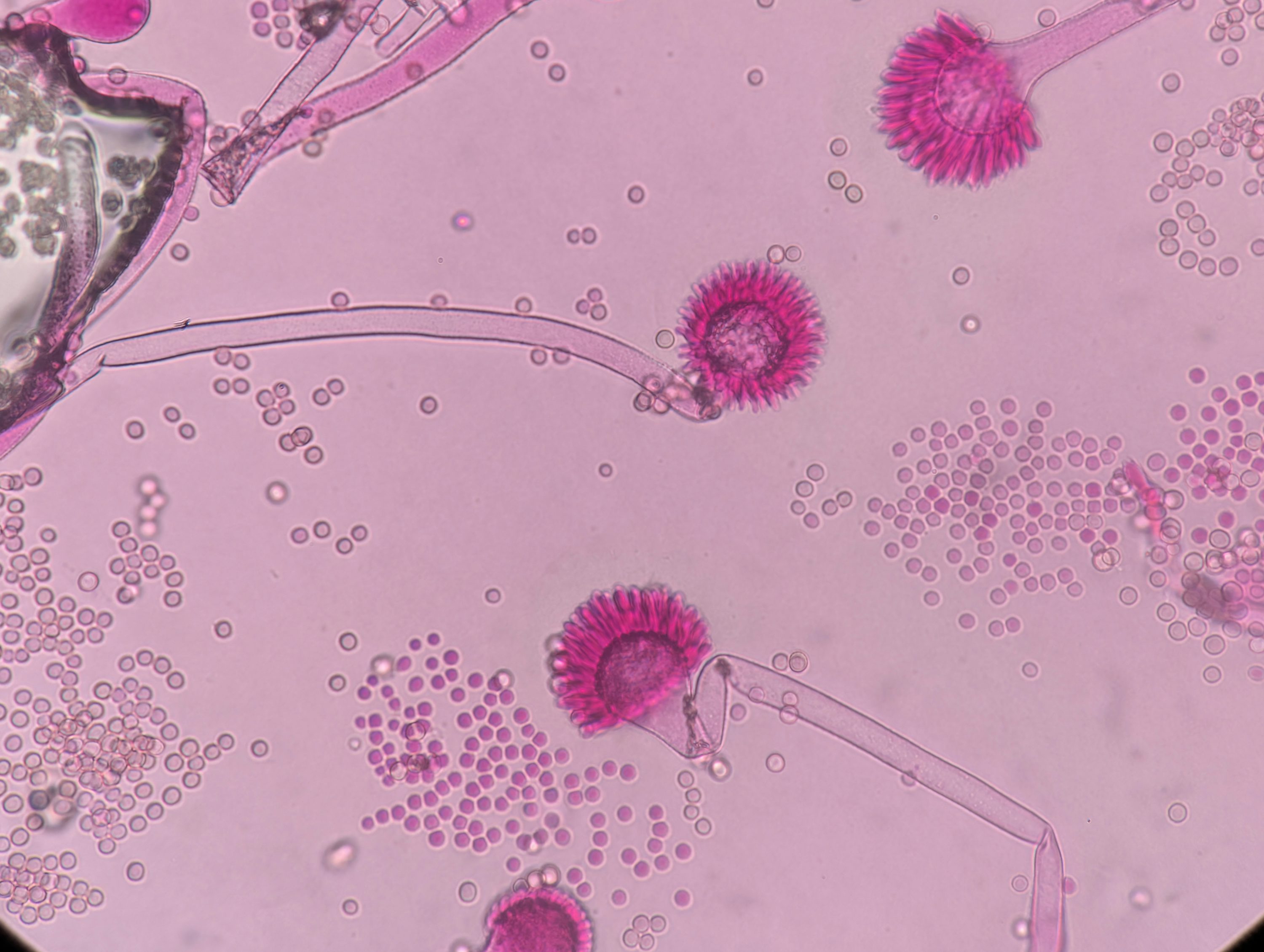
One of the most powerful ways microbes connect living things is through symbiosis—long-term relationships where different species depend on one another.
Microbes and Plants
Plant roots are surrounded by dense microbial communities known as the rhizosphere. Here, bacteria and fungi exchange nutrients with plants, enhance water uptake, and protect against pathogens.
Mycorrhizal fungi extend plant root systems, connecting entire forests underground. Through these fungal networks, trees can exchange nutrients and chemical signals, responding collectively to stress, drought, or disease.
Microbes and Animals
Animals, including humans, are not standalone organisms but ecosystems themselves. The gut microbiome influences digestion, immune function, hormone regulation, and even behavior.
Microbes help animals extract energy from food, synthesize vitamins, and train immune systems to distinguish between threats and harmless substances. Without these microbial partners, complex animal life would not function as it does.
Evolutionary Partnerships
Some symbiotic relationships are so deep that they shaped evolution itself. Mitochondria—the energy-producing organelles inside our cells—originated from free-living bacteria billions of years ago. Every breath we take is a reminder that microbial partnerships are embedded in our biology.
Microbes as Agents of Communication
Beyond metabolism, microbes act as messengers across biological systems.
Chemical Signaling
Microbes communicate using chemical signals to coordinate behavior, a process known as quorum sensing. Through these signals, microbial populations regulate biofilm formation, virulence, and resource use.
These chemical messages can also influence host organisms. Certain gut bacteria produce neurotransmitter-like compounds that interact with the nervous system, linking microbial activity to mood, stress responses, and cognition.
Horizontal Gene Transfer
Unlike complex organisms, microbes can exchange genetic material directly, even across species boundaries. This horizontal gene transfer allows traits such as antibiotic resistance or metabolic abilities to spread rapidly through microbial communities.
As microbes interact with plants, animals, and human-made environments, they act as genetic bridges, accelerating evolutionary change across the biosphere.
Microbes and the Stability of the Biosphere
Microbial networks provide resilience to ecosystems by absorbing shocks and adapting quickly to change.
Environmental Buffers
After environmental disturbances such as wildfires, oil spills, or volcanic eruptions, microbes are often the first organisms to recolonize affected areas. Their metabolic flexibility allows ecosystems to recover and rebuild.
In oceans, microbial communities regulate oxygen levels and prevent the accumulation of toxic compounds. In soils, they stabilize structure and maintain fertility over long timescales.
Climate Regulation
Microbes play a critical role in regulating Earth’s climate. Methane-producing and methane-consuming bacteria influence greenhouse gas concentrations. Marine microbes control the formation of cloud-seeding particles that affect weather patterns.
Small shifts in microbial populations can therefore have global consequences, linking microscopic life to planetary-scale systems.
The Human-Microbe Connection
Human societies are deeply entangled with microbial networks, often without realizing it.
Health and Disease
While microbes are commonly associated with disease, most microbial interactions with humans are beneficial or neutral. Disruptions to microbial balance—through excessive antibiotic use, poor diet, or environmental changes—are linked to rising rates of autoimmune disorders, allergies, and metabolic diseases.
Understanding humans as part of a microbial ecosystem is reshaping medicine, shifting focus from eradication to balance and coexistence.
Agriculture and Food Systems
Microbes influence crop yields, soil health, fermentation processes, and food preservation. Traditional foods like bread, cheese, yogurt, and fermented vegetables depend entirely on microbial activity.
Modern agriculture increasingly recognizes that sustainable food production requires nurturing microbial diversity rather than suppressing it.
Microbes, Culture, and Scientific Perspective
Historically, microbes were invisible and poorly understood, often associated with decay or disease. The development of microscopy and microbiology in the 19th century transformed this view, revealing a hidden world essential to life.
Today, advances in genetic sequencing and systems biology are redefining microbes as network builders rather than isolated organisms. This shift challenges deeply ingrained ideas about individuality, control, and dominance over nature.
Microbes remind us that life evolves through cooperation as much as competition, and that survival often depends on integration rather than isolation.
The Invisible Web in a Changing World
As climate change, urbanization, and pollution alter ecosystems, microbial networks are also changing. These shifts may amplify environmental stress or, in some cases, help buffer its effects.
Understanding microbial connections is becoming crucial for addressing global challenges—from climate resilience and food security to public health and environmental restoration.
Rather than seeing microbes as background noise, science increasingly recognizes them as active participants shaping the future of life on Earth.
Key Takeaways
- Microbes form an invisible network that connects all ecosystems and living organisms.
- They drive essential nutrient cycles and regulate Earth’s climate and chemistry.
- Symbiotic relationships between microbes and plants, animals, and humans are fundamental to life.
- Microbial communication and gene exchange accelerate adaptation and evolution.
- Human health, agriculture, and technology are deeply dependent on microbial systems.
- Viewing life through a microbial lens reshapes our understanding of cooperation and resilience.
Conclusion
The invisible web of microbes is not a peripheral aspect of life—it is its foundation. From the air we breathe to the food we eat and the ecosystems we inhabit, microbial connections shape the world in ways both subtle and profound. Recognizing these connections invites a more integrated view of nature, where survival depends not on dominance, but on balance, collaboration, and respect for the smallest forms of life that hold everything together.
